
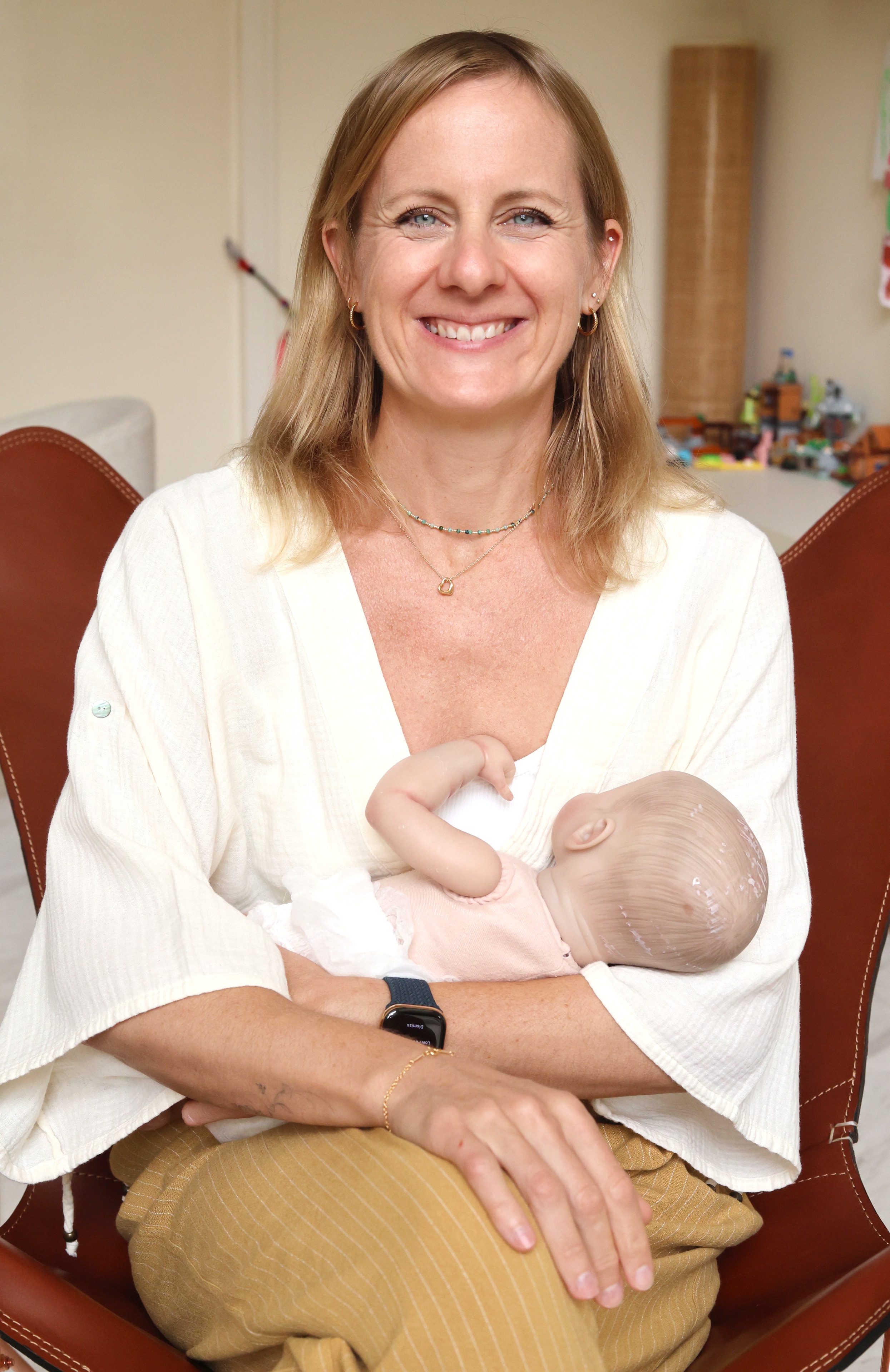

Breastfeeding can create a beautiful bond, but sometimes pesky problems like thrush can pop up. Thrush is a fungal infection caused by Candida yeast that can affect both you and your baby. Here's a simple guide on how to spot it, treat it, and consider some alternative treatments.
Spotting Thrush
For mums, thrush often shows up as sore, itchy nipples, sometimes with deep breast pain. These symptoms can really impact breastfeeding comfort.
For babies, watch out for creamy white patches on the tongue, gums, palate, or inner cheeks. These patches, like cottage cheese, can stick around and cause fussiness, feeding aversion, and even persistent nappy rash.
Treating Thrush
To get rid of thrush, you need to treat both mama and baby simultaneously to prevent passing the infection back and forth. Here are some ways:
1. Antifungal Medications
- For mums: Your GP will suggest using an over-the-counter antifungal cream, such as miconazole or clotrimazole, to apply to the nipples after each feeding and to rinse off before the next feed.
- For babies: Doctors usually prescribe oral antifungal drops or gel, like nystatin suspension. When applying the gel, use your finger to gently spread it in the baby's mouth.
2. Keeping Things Clean
- Sterilising pacifiers, bottles, and breast pump parts after each use.
- Washing bras, nursing pads, and baby's clothes in hot water.
3. Good Hygiene
Let your nipples air dry after feeds, and sunlight can help too, since yeast hates light and air!
Alternative Treatments
Natural remedies might be worth exploring, but their effectiveness isn't fully backed by science. Here are some options parents usually try:
- Antifungal food: Helps prevent thrush including garlic, ginger, turmeric, and oregano oil.
- Probiotics: Helps to balance yeast levels in your body.
- Coconut Oil: Has antifungal and antibacterial properties when applied directly to your nipples.
- Apple Cider Vinegar: Dilute with water and apply to your nipples to combat yeast. Remember to rinse it off before feeding.
- Grapefruit Seed Extract: Dilute it properly, following the manufacturer's instructions. Best to do a patch test on a small area first before applying to nipples.
- Gentian Violet: Apply to nipples and baby's mouth, messy but powerful.
If you're considering these alternatives, it's best to consult a healthcare provider or an IBCLC lactation consultant first. They can offer tailored advice, evaluate your unique circumstances, and recommend safe and effective treatment options.
Preventing Thrush
Prevention is key! You may want to consider these strategies:
- Cutting back on sugar, as yeast loves it.
- Keeping things dry by changing nursing pads frequently and wearing breathable bras.
- Washing hands often, especially after diaper changes and before breastfeeding.
Final Thoughts
Breastfeeding challenges can resemble thrush symptoms like nipple soreness and redness. Sometimes, thrush overlaps with other issues like eczema or mastitis, making diagnosis tricky. This confusion can lead to misdiagnosis, especially if healthcare providers aren't trained to differentiate between breastfeeding-related conditions.
With proper treatment and prevention, thrush usually clears up within days. But if symptoms persist, consult a GP or lactation consultant to explore other potential causes. Remember, many mothers have overcome similar challenges, and you can too!
Hope this guide helps,
Marloes
References:
- La Leche League International. (2022). Thrush and Breastfeeding.
- American Academy of Pediatrics. (2022). Thrush in Babies.
- Sadovnikova, A., Fine, J., & Tartar, D.M. (2023). Nipple Thrush or Dermatitis: A Retrospective Cohort Study of Nipple-Areolar Complex Conditions and Call for Coordinated, Multidisciplinary Care. DOI: https://doi.org/10.1016/j.jaad.2023.01.033
- Thuisarts. (n.d.). Mijn baby heeft spruw. https://www.thuisarts.nl/spruw/mijn-baby-heeft-spruw