
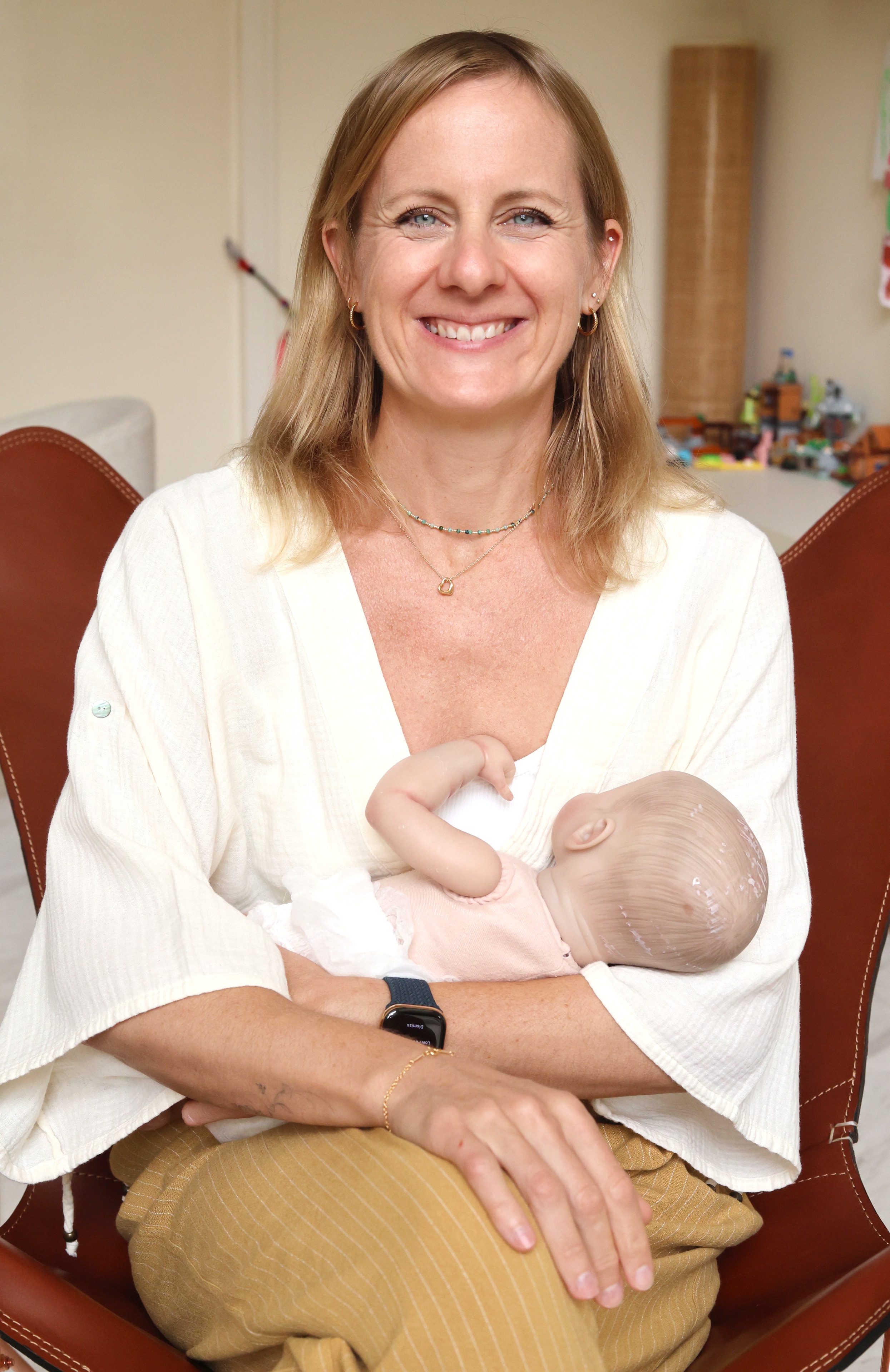

Mastitis is something most breastfeeding mums have heard of, and for many it's a common worry during their feeding journey. The reassuring news is that the early onset of mastitis is usually very manageable and, in many cases, can be resolved without the need for antibiotics. In this guide, I'll walk you through how to recognise, treat, and prevent mastitis, blending the most current evidence-based strategies with some of the approaches I use in my own practice.
Recognising mastitis
Catching mastitis early makes a big difference in how quickly you recover. The first signs are often redness or warmth in one area of the breast, which may feel hard, tender, painful, or lumpy even after a feed. Mastitis can also cause flu-like symptoms, including fever, chills, fatigue, and body aches. If you notice these signs, it's best to not wait it out.
Taking action
The most important step in managing mastitis is to keep milk flowing. Feeding or pumping on demand prevents milk from stagnating inside the breast. Paying attention to a deep and comfortable latch is equally vital, since effective drainage not only clears the breast but also protects your nipples from trauma that could invite infection.
Pain and inflammation management
Mastitis is usually accompanied by pain and swelling. Therefore, we recommend taking ibuprofen (400–600mg every 6–8h) for pain relief and anti-inflammatory benefits. Please check if you're not allergic! By reducing inflammation and discomfort, the milk can flow better again. Applying a warm compress before feeding can facilitate milk flow, while cold packs afterwards can reduce inflammation and pain.
Hydration and rest
Adequate hydration and rest are fundamental for recovery. Dehydration and fatigue can weaken the immune system, making it harder to combat a potential infection. Keep a water bottle handy and prioritise rest whenever possible.
Gentle lymphatic massage
You might want to try some gentle lymphatic drainage massage strokes. Start from the outer parts of the breast towards the nipple, from the centre of the breast towards the chest bone, and from the upper and side parts towards your collarbones and armpits. This helps to ease swelling and get your lymphatic system flowing better in the affected breast.
You can also book an SOS breastfeeding massage consult with me. I am a professionally trained lactation masseuse and IBCLC lactation consultant and can help to reduce the engorgement while working on a plan to avoid recurrence.
Probiotics, nutrition, and vitamin C
Emerging research suggests that probiotics may help prevent recurrent mastitis. Incorporate probiotic-rich foods such as yoghurt and kefir into your diet to promote a healthy bacterial balance. Additionally, a balanced diet rich in vitamin C and supplements like Ester C aids in infection prevention and recovery.
Antibiotic Treatment
Important: If symptoms persist beyond 24 hours or worsen, please consult a GP and book a consultation with an IBCLC lactation consultant to look at causes and solutions. The doctor can prescribe antibiotics, which usually give relief within 24–48h. Always complete the course of antibiotics to ensure the infection is fully eradicated.
When to Seek Further Medical Attention
If the symptoms persist or if you're still feeling under the weather despite starting antibiotics, it's wise to seek prompt medical attention. In some cases, mastitis can escalate, potentially leading to abscess formation, necessitating more intensive interventions like drainage or surgical procedures.
Preventive Measures
- Feed on demand! Allow your baby to nicely soften one breast before offering the second breast.
- Always aim for a deep, comfortable latch which supports efficient milk transfer and drainage.
- Choose bras that are supportive but not too tight to keep circulation flowing.
- Gentle breast massage (as if you're moving fluids below the skin) can help when your breasts feel a little tender.
If you have any doubts or questions, don't hesitate to reach out! I am happy to support you.
Marloes
Resources:
- Academy of Breastfeeding Medicine: ABM Protocol #36.
- Douglas, P. (2023). Does the Academy of Breastfeeding Medicine's Clinical Protocol #36 "The Mastitis Spectrum" promote overtreatment and risk worsened outcomes for breastfeeding families? Commentary. Journal of Human Lactation, PMID: 37670315, PMCID: PMC10481477, DOI: 10.1186/s13006-023-00588-8